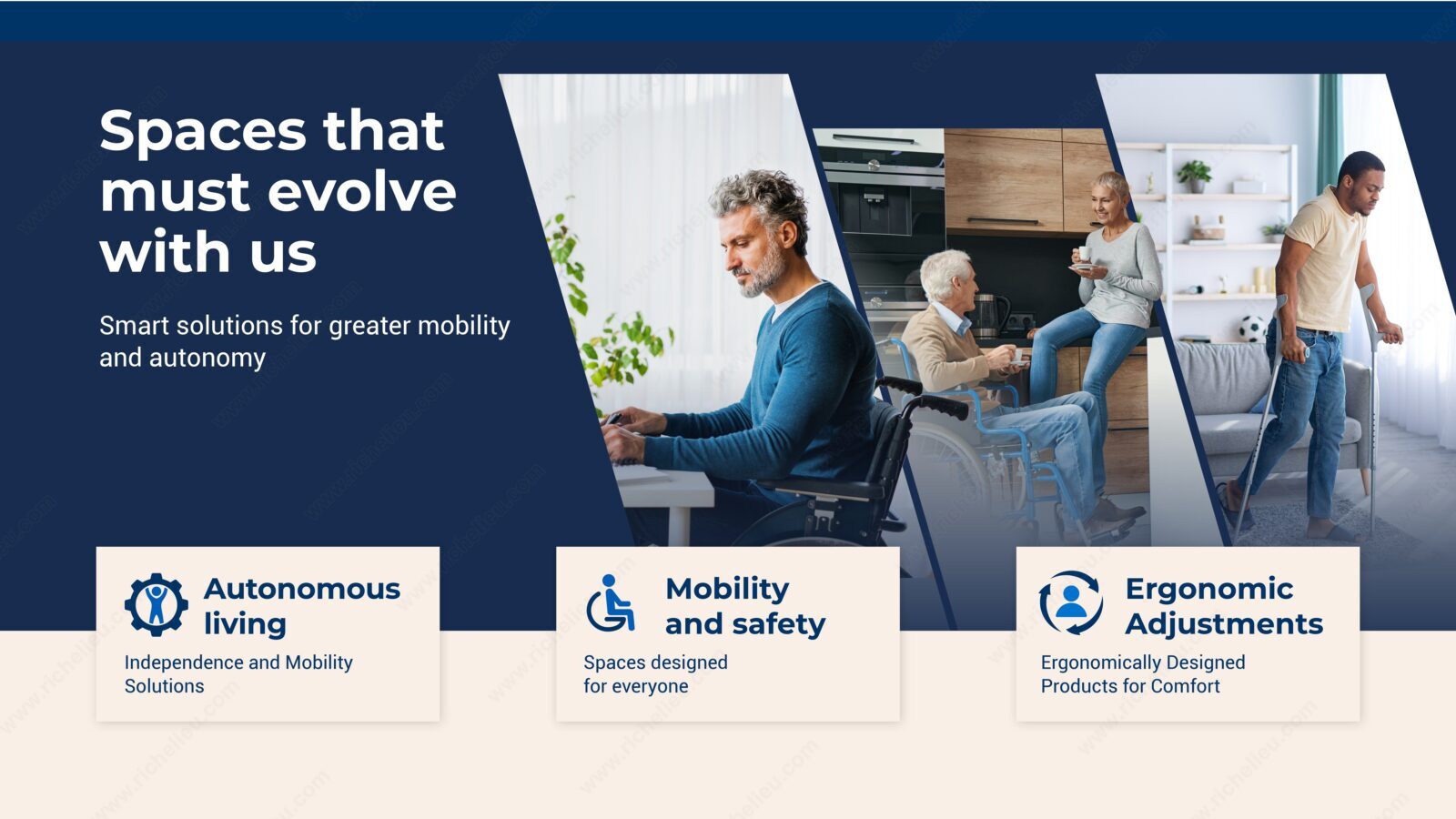
Integrating adaptive products means creating a truly inclusive environment.
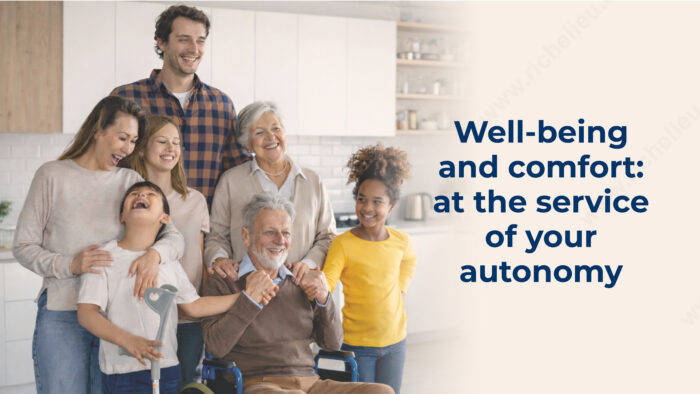
For years, ZM has prioritized accessibility and mobility in its product development, so that individuals with reduced mobility have access to solutions that enhance their independence and comfort.
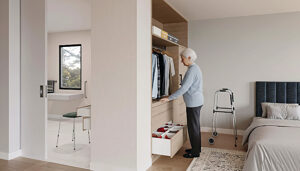
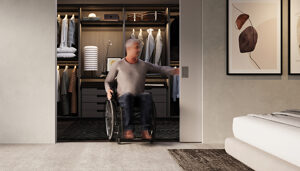
These solutions, whether used in residential or institutional settings, deliver accessibility, comfort, and safety for individuals with reduced mobility and seniors. They're designed with ergonomics, autonomy, and well-being in mind — all while preserving the quality and harmony of the overall design.
Beyond compliance, using certified solutions demonstrates a commitment to responsible innovation, active aging, user autonomy, and sustainable environments.
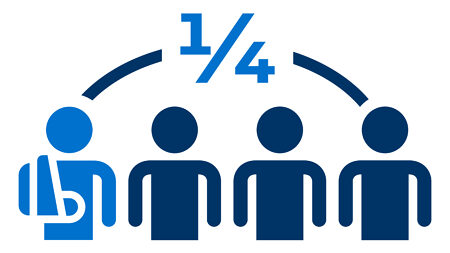
In North America, 1 in 4 people report a mobility-related disability
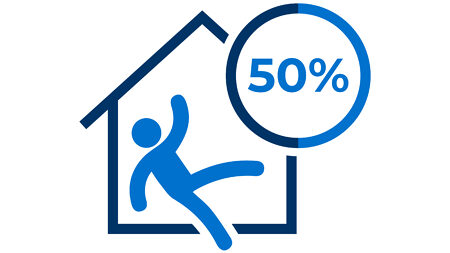
50% of falls and accidents involving injuries occur at home
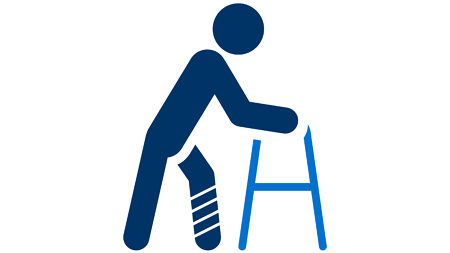
The main consequence of falls is the loss of autonomy

The challenges of mobility at home double the risk of injury requiring hospitalization
Every project is an opportunity to create spaces that enhance independence and make everyday life easier. With ZM, you can bring to life inclusive, elegant, and future-ready spaces designed for the needs of today and tomorrow.
Creating safe, accessible, and comfortable environments requires a global vision centered on the real-life needs of users, as well as universal design principles. The autonomy and mobility solutions offered in this section have been carefully selected to meet standards for ergonomics, movement fluidity, and ease of use for everyone—including children, seniors, those with reduced mobility, and anyone who wants a more intuitive everyday experience.
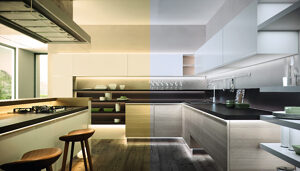
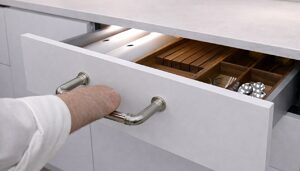
Thanks to a combination of adapted hardware, smart accessories, universal sliding systems, safe materials, and solutions optimized for every space, it's possible to fully rethink your environment to create harmonious, accessible, and attractive spaces.
INCLUSIVE SOLUTIONS BY CATEGORIES
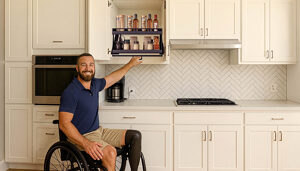
EVEN MORE ADAPTED PRODUCTS
Accessibility is about more than just adapted products—it also requires smart space planning, where every area is organized to minimize effort, facilitate movement, and offer a simple and intuitive user experience.